Entrepreneur
Computer Vision Explained: How Machines Recognize Images
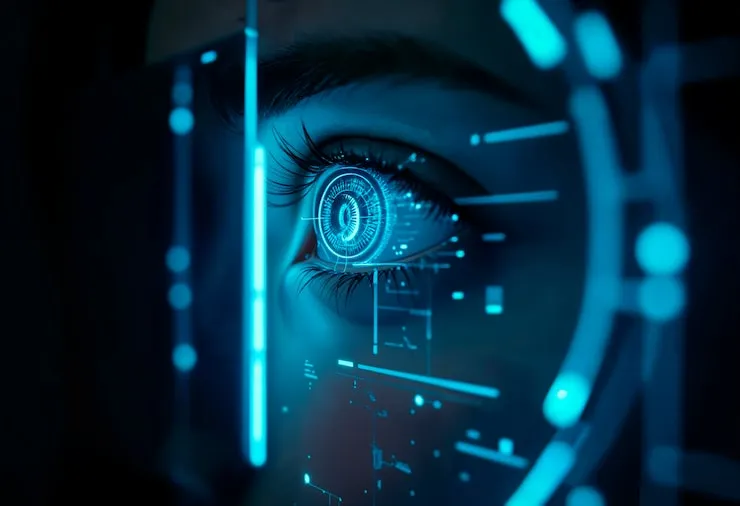
In today's digital age, computers are not fair machines that do calculations. They can moreover see and get it pictures, fair like people do. This capacity is called Computer Vision. Have you ever pondered how your phone can recognize faces or how apps can distinguish objects in photographs?
That is all since of computer vision. This article will investigate how computers see, get it, and connected with the world through pictures. We'll clarify it in straightforward words so anybody can get it, indeed if you are fair beginning to learn approximately AI or technology.
What is Computer Vision?
Computer vision is a field of innovation that makes a difference machines see and get it pictures or recordings. Think of it as giving eyes to a computer. Instep of fair perusing numbers or letters, the computer can see at a photo and distinguish what is in it, like a puppy, a car, or a tree.
Computers do not see like people. They see pictures as a collection of little dabs called pixels. Each pixel has a color esteem. The computer considers these pixels utilizing extraordinary programs to get it designs. For case, if numerous pixels shape a circular shape with two dark specks, the computer might recognize it as a face.
Computer vision is all over nowadays. From self-driving cars that require to see the street, to apps that let you attempt on shades essentially, this innovation is making machines smarter.
Read More: What Are Neural Networks? A Simple Guide for Beginners
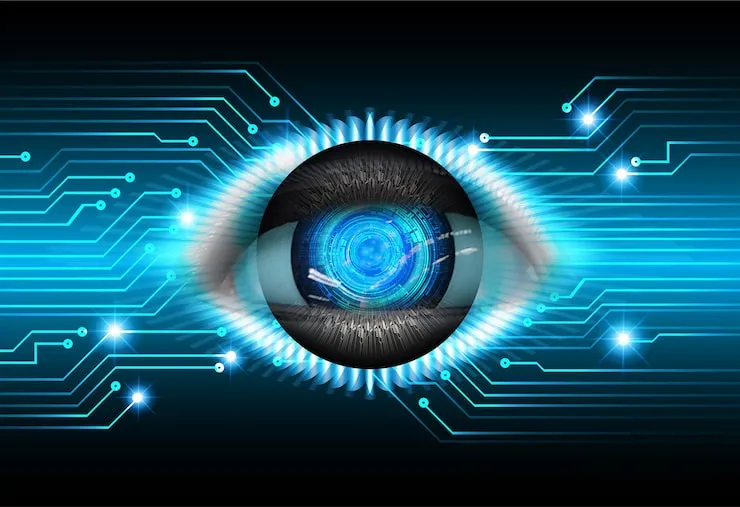
How Computers Recognize Images?
Computers take after a few steps to recognize pictures. To begin with, they break the picture into little pieces. At that point, they analyze the designs in those pieces. At last, they compare the designs with millions of illustrations put away in their memory.
Here’s a straightforward way to think approximately it: Envision a astound. A computer looks at each piece and tries to figure out where it fits. By checking numerous pieces together, it can tell what the total picture is.
There are two primary sorts of computer vision methods:
- Traditional Strategies: These utilize essential rules like recognizing edges, shapes, or colors.
- AI-Based Strategies: These utilize machine learning and profound learning to naturally learn designs from colossal sets of pictures.
- AI strategies are speedier and more exact since they make strides over time with experience.
Computer Vision in Ordinary Life
It’s no mystery that computer vision is presently portion of our day by day lives. Indeed if you don’t take note it, you associated with it each day.
For example:
- Smartphones: Confront acknowledgment, photo channels, and content scanning.
- Shopping: Apps that let you see how dress or cosmetics will see on you.
- Cars: Self-driving cars utilize cameras to distinguish activity signs, people on foot, and other vehicles.
Computer vision moreover makes a difference in clinics, production lines, and security frameworks. In clinics, it can offer assistance distinguish illnesses from X-ray or MRI pictures. In manufacturing plants, it checks items for surrenders rapidly and without mistakes.
How AI Helps Computer Vision
AI is the brain behind cutting edge computer vision. Conventional computer programs required rules made by people. AI-based frameworks, particularly profound learning, can learn by themselves.
Here’s how it works in straightforward terms:
- The AI sees numerous pictures, for case, thousands of canine photos.
- It learns the highlights of a puppy, like ears, nose, and fur.
- Next time, when it sees a unused picture, it can tell if there is a canine in it.
This handle is like a child learning to recognize creatures by looking at pictures in books. The more pictures the AI sees, the more astute it becomes.
Bullet points:
- AI makes a difference computers recognize pictures quicker and more accurately.
- It can learn designs that people may not effectively see.
Challenges in Computer Vision
Even in spite of the fact that computer vision is astonishing, it is not idealize. Computers can get befuddled if the pictures are foggy, as well dull, or abnormal. Now and then, a computer might botch a cat for a canine if the picture is strange.
Other challenges include:
- Huge sums of information are required to prepare AI.
- Computers cannot get it pictures in the way people feel or decipher emotions.
Scientists are always working to make computer vision more intelligent. With way better cameras, speedier computers, and moved forward AI calculations, machines will before long recognize pictures nearly like humans.
Future of Computer Vision
The future of computer vision is shinning. We can anticipate computers to gotten to be indeed way better at understanding pictures and recordings. This might alter the way we work, travel, and live.
For case, self-driving cars seem gotten to be more secure, restorative analyze might be speedier, and online shopping might be more intelligently. In manufacturing plants, robots may distinguish issues promptly and make strides productivity.
Computer vision might too offer assistance in natural ponders, like checking trees, following natural life, or checking seas. The conceivable outcomes are unending, and innovation is moving fast.
Conclusion
Computer vision is changing the way machines associated with the world. From straightforward errands like recognizing faces to complex ones like self-driving cars, it is all over. AI makes computer vision more astute by instructing computers to learn from pictures. Indeed in spite of the fact that there are challenges, the future is exciting.
By understanding computer vision, we can superior see how innovation is forming our day by day lives. It’s no longer fair science fiction—machines that see and get it the world are as of now here, and they are getting way better each day.
FAQs
Q1: What is the primary reason of computer vision?
A1: The fundamental reason of computer vision is to offer assistance machines see and get it pictures, fair like people. It is utilized in phones, cars, restorative instruments, and numerous other fields.
Q2: How does AI make computer vision better?
A2: AI makes a difference computers learn designs from millions of pictures. The more it learns, the more exact it gets to be at recognizing objects, faces, or scenes.
Q3: Can computer vision supplant humans?
A3: Not completely. Computers can be exceptionally quick and precise, but they cannot think or feel like people. They work best when making a difference people, not supplanting them.
Q4: Where is computer vision utilized in ordinary life?
A4: Computer vision is utilized in smartphones for confront open and channels, in self-driving cars to distinguish streets and deterrents, in online shopping to attempt dress for all intents and purposes, and in healing centers to check restorative images.
Q5: What are the primary challenges of computer vision?
A5: Computers can get befuddled by hazy, dull, or bizarre pictures. Too, preparing AI needs parcels of information, and machines cannot get it feelings like people. Researchers are working to move forward these issues.

.webp)