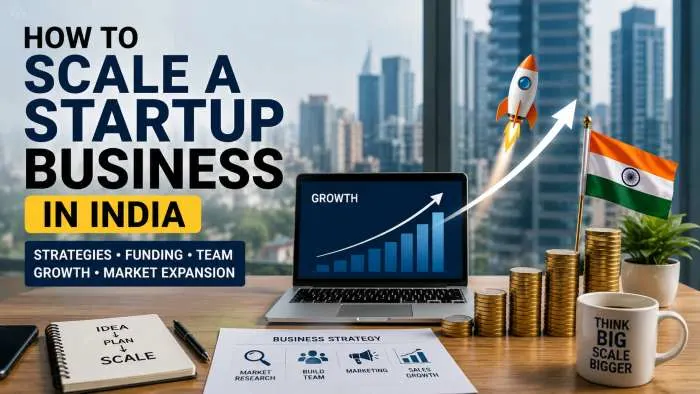
Entrepreneur
What Is Entrepreneurship and How Can You Start?

I still remember the first time I thought about leaving my work. It was a Tuesday afternoon, and I was staring at my desk calendar. The thought of building something of my own felt both exciting and terrifying. That feeling is familiar to millions of individuals in India today.
You need to know how to become an entrepreneur in India. You are not alone. Each day, thousands of young Indians search for the same reply. They need opportunity. They want to solve issues. They want to build a legacy.
But the real question is not just about starting a trade. The genuine question is about understanding what this path truly means. Let me walk you through everything you need to know, from the basic definition to the taxes you will pay and the mindset you must build.
What Makes an Entrepreneur?
An entrepreneur spots a problem and jumps in to fix it with a business—no waiting around. You take the risk and build the fix yourself. Like that chai guy who saw office workers craving quick tea and set up right outside their building. Or the lady starting tiffin deliveries because bachelors couldn't get home-cooked meals easily. It's more than owning a shop. You create something fresh where there was nothing, turning ideas into real value that people pay for.
You may also read :- Challenges Faced by Entrepreneurs: Real Stories & Solutions
Why Do Entrepreneurs Matter in India?

They power our economy, plain and simple. Starting a business doesn't just feed you—it hires neighbors and sparks spending that keeps local shops buzzing. That loop lifts communities from villages to cities.
They tackle everyday headaches too. Hate waiting for autos? Thank the ride-sharing apps. Small shops losing track of stock? Simple software fixed that. Without them, no choices, no push for better stuff.
Types of Entrepreneurs You See
Folks do it different ways. Solopreneurs go solo—freelance gigs, YouTube, consulting—no team needed, just their time. Small business types run bakeries, salons, or repair shops for the neighborhood. Steady pay, happy life, no big dreams of billions.
Scalable startup builders chase massive growth, like fintech apps or edtech platforms, pulling in investor cash. Social ones prioritize change—river cleanups, slum schools, and cheap solar for villages—profit second.
4 Types of Entrepreneurship
Let me give you a cleaner way to remember the 4 types of entrepreneurship. This table will help you see the differences at a glance.
| Type | Focus | Example | Growth Goal |
|---|---|---|---|
| Small Business | Local service or shop | A neighborhood grocery store | Steady income |
| Scalable Startup | High growth, technology | A fintech app | Fast expansion |
| Social Entrepreneurship | Solve community problems | A low cost school for slums | Impact first |
| Corporate Entrepreneurship | Innovation inside a big company | A new product line at an old firm | Internal growth |
These four categories cover almost every entrepreneur you will ever meet. You can choose any of these paths. None is better than the other. It all depends on what you want from your life.
7 Characteristics of Entrepreneurs
Before you learn how to become an entrepreneur in India, you ought to check if you have the right qualities. Do not stress if you miss a few. You can construct them over time. Here are the 7 characteristics of business visionaries that matter the most.
-
You take responsibility. When something goes wrong, you do not blame the government, the economy, or your luck. You look at what you could have done better.
-
You handle uncertainty. A job gives you a fixed salary at the end of every month. Entrepreneurship gives you nothing until you earn it. You must be okay with not knowing what will happen tomorrow.
-
You solve problems. You see a broken process and immediately think about how to fix it. This habit turns into business ideas naturally.
-
You learn constantly. The moment you stop learning, your business starts dying. You read, you ask questions, you watch what competitors do.
-
You talk to people. You cannot build a business from behind a screen. You meet customers. You listen to their complaints. You ask for feedback.
-
You work hard without applause. No one's cheering when you drag yourself out of bed at 5 a.m. to box up orders. No pat on the back or extra cash for burning the midnight oil debugging that glitchy site. You've got to dig deep and fire yourself up, every single time.
-
You know when to quit. This sounds strange, but good entrepreneurs know when an idea is not working. They do not throw good money after bad. They shut down fast and start something new.
Economic Impact of Entrepreneurship
Now let us talk about the bigger picture. The economic impact of entrepreneurship in India is massive. You cannot understand our country without looking at small business owners.
When you kick off a business, jobs pop up right away—one hire becomes two, then five, and suddenly you've got a crew of twenty putting food on their families' tables thanks to what you started. That's the real way India fights poverty: regular folks rolling up sleeves to build, not waiting on handouts from anyone.
Plus, entrepreneurs carry fresh ideas into smaller spots. Picture a guy in Lucknow spotting a buzzing cafe during a Mumbai trip—he grabs the best bits, mixes in some local flavor, and boom, now his town enjoys solid coffee vibes without the long haul.
How Do Taxes Work for Entrepreneurs?

Let me answer a question that confuses almost every new business owner. How do taxes work for entrepreneurs in India? I will keep this simple.
First off, get your head around GST—the Goods and Services Tax. Hit over 20 lakhs in yearly sales (or 10 lakhs in hill states and such), and you have to sign up for it. After that, you charge it on what customers buy, send the government's cut on time, and claw back credit for any GST you shelled out buying stuff for your business.
Second up, income tax only bites your actual profits—not total cash in. Say you pull in 10 lakhs but drop 6 lakhs on supplies, shop rent, or staff wages; they tax just that 4 lakh leftover. Hang onto every scrap of paper—bills, receipts—for when tax day rolls around.
Third, you must pay advance tax. Salaried people have tax deducted from their salary every month. As an entrepreneur, you have to estimate your yearly income and pay tax in four installments. Your chartered accountant will help you with the dates.
Fourth, you need to maintain proper books. Even if you are a small business, write down every single transaction. Use a simple excel sheet or buy a basic accounting software. When the tax officer asks for details, you should be able to show everything clearly.
Final Thoughts
Starting a business in India won't make you rich overnight. It doesn't let you skip the grind either. You're just deciding to own your path completely. One month you'll feel on top of the world. Next, you'll question quitting that steady paycheck. Both hit everyone—totally normal.
The trick? Kick off tiny, keep it real, and outlast the crowd. That first try might flop hard. No big deal—you pick up more from crashing than any book could teach. Dust off, tweak what went wrong, and build the next one stronger.
FAQ
How much cash do I really need to kick off a business in India?
Loads of businesses fire up with under 50,000 bucks. Stuff like handling social media, teaching kids, or cleaning homes barely costs a thing. If you're selling products, yeah, grab some basic raw stuff—but dig into your pocket first. Skip big loans upfront; they bite hard later.
Do I really need to register my business right away
Nah, not at all. Kick off as a lone wolf; no papers needed. When things pick up steam, sort GST and a business bank account. Plenty of winners ran for six months just testing waters, with no formal stamp.
Can I hustle a business on the side of my 9-to-5?
Totally, and it's the sharpest move. Let that paycheck cover rent and rice. Grind on your venture early mornings, lunch gaps, and weekends. Hit steady cash for three straight months? That's your green light to bounce.
How do I tell if my idea's got legs?
It nails three quick checks. One, folks gripe loudly about this headache. Two, they've tried fixes and bombed. Three, they'll shell out cash to kill it. Pass that? Run with it, brother.


.webp)