Motivation
Risks of Poor Work-Life Balance: Career and Productivity Impacts
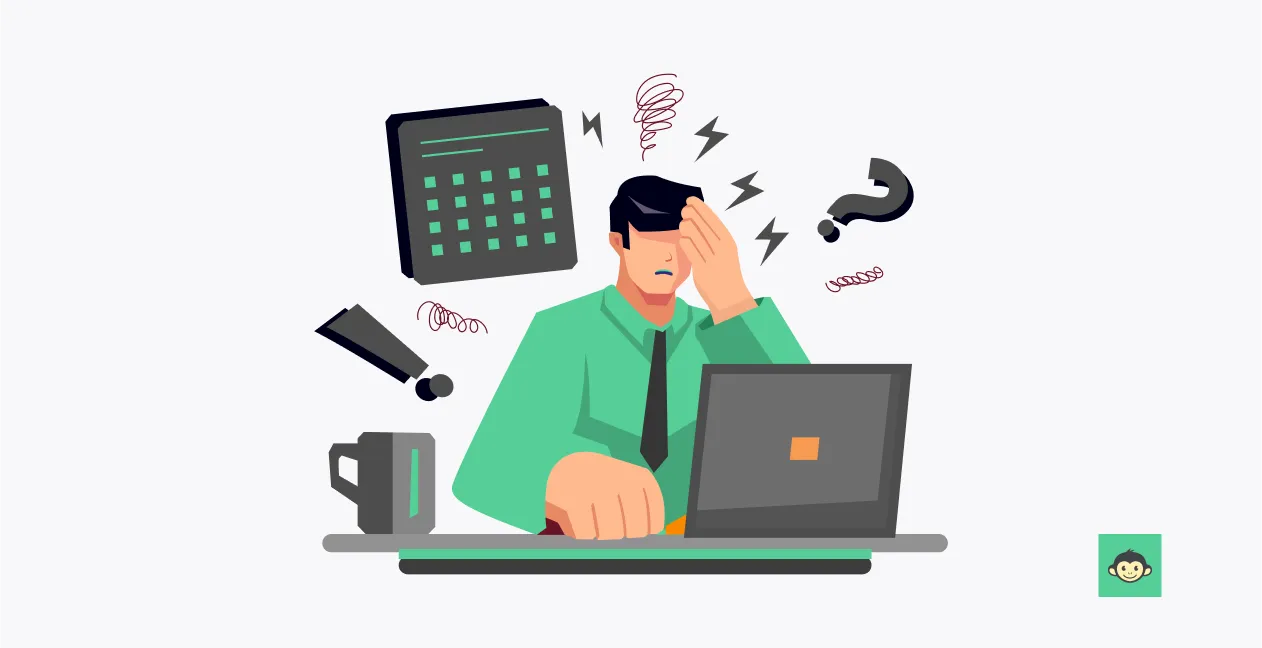
The current fast-paced world is threatening the poor work life balance, and presenting a good balance between serious and fun activities is as important as it has never been. Nevertheless, many individuals get shattered by the demands of work, and they lose personal time and well-being at the same time. The dangers of unlucky compromise between heavy and lighthearted activities are numerous and may negatively affect individual and professional works of life emphatically. We shall explore the consequences of not living a balanced life in this article, the importance of living a balanced life and provide viable solutions to regain sanity.
Understanding Risks To Poor Work Life Balance
Work-life balance is defined as the balance between work and home life. Although the concept might differ among individuals, it is necessary in that neither industry outshines the other. Such balance will assist people to effectively meet their professional work obligations and be physically healthy, emotionally well and fulfilling in relationships.
When the balance leans on the side of work, the poor work life balance causes its dangers. Such risks touch beyond individual health and are damaging productivity, interpersonal relationships, and even corporate performance.
Physical Health Risks
The physical health is considered to be one of the most visible and obvious effects of the lack of work-life balance. Long working hours tend to result in:
- Constant Stress: Continuous workplace stress may contribute to the level of cortisol, opening the possibility of coronary disease, high blood pressure, and diabetes.
- Poor Rest Cases Late-night work or incessant availability interferes with the normal rest cycle of the body and leads to a sleeping disorder and exhaustion.
- Ignorance of the Activity and Diet: A busy schedule leaves very little room to active working or healthy eating habit, contributing to weight gain, miserable energy, and a lack of insensitivity.
These real consequences are damaging to personal health besides reducing productivity in the future.
Read Also: How To Stay Motivated In Your Career
Mental and Emotional Well-Being
Mental health is as susceptible to the dangers of risks to a poor work life balance as is. Individuals caught in the overwork trap usually endure:
- Burnout: A state of intense, significant, and psychological fatigue caused by expanded stress.
- Anxiety and Depression: This is because stress at work due to constant job pressure may produce a feeling of powerlessness and cause dire mental health issues.
- Declined Cognitive Performance: Down time diminishes creativity, decision making and problem solving skills.
These emotional problems then increase the stress further creating a vicious cycle that becomes more difficult to break.
Impact on Personal Relationships
The inadequate work life balance leads to stressors relating to relatives and friends. Here’s how:
- Lack of Quality Time: Being too much committed to work provides very little time to spend with loved ones, thus leaving one to become an isolated person.
- Heightened Disruption: Work stress could find its way into personal life and cause conflicts and misunderstandings.
- Lapsed Milestones: Missing family functions or neglecting the needs of children may have long term bitterness and regret.
A good work- life balance is an element of a fulfilling life, and the risks of unhealthy work- life balance can jeopardize this pillar.
Decreased Job Performance
Paradoxically, excessive working to achieve work objectives often works against one. Here’s why:
- Diluted Productivity: A fatigue and burnout may affect concentration, effectiveness, and overall productivity.
- F8270501: Innovation: This is due to the lack of creativity and ability to solve problems because of working round the clock.
- Increase in the number of mistakes: The overworked staff is more likely to introduce errors, which may damage their image and the overall performance of an organization.
The organizations have to realize that going beyond the bounds of people results in decreased rewards, as the risks of bad work-life balance have a direct impact on the outcome at the workplace.
Social Isolation
Social isolation is another threat to bad work-life balance. Due to the fact that work consumes a majority of the waking time, people become isolated to their social relationships. This alienation may lead to the development of depression, lack of confidence and a crippled sense of belonging. Good social relationships are crucial to psychological health, and the neglect of them may have far reaching consequences.
Long-Term Career Risks
Paradoxically, the lack of concern about work-life balance to focus on job development can damage future success. Constant overworking is associated with:
- Constant Job Change: Burnout generally makes people quit their jobs leading to erratic career patterns.
- Blocked Professional Growth: Proportional deficiency is a lack of balance in respect to the learning and professional development.
- Tarnished Reputation: Burnout may weaken one in the job because of the inconsistency in performance.
Balance is the important aspect of creating a successful and fulfilling career.
Dangers To Bad Work-Life Balance.
Mental Health Issues
The effect on the psychological well-being is one of the gravest threats of the unfortunate equilibrium between serious and fun activities. The pressure of work is always a trigger of tension, misery, and burnout. When individuals require additional opportunity to relax or engage in things of their interest, it establishes a trend of strain that will be overwhelming.
As a case in point, a study carried out by the World Wellbeing Association revealed that the working length of time is linked to an increased gamble of stress and depression. When the working hours come to the fore in the course of the time of privacy, individuals can fight to develop suitable adapting approaches, causing even more negative emotional responses.
Weakness of Physical Health.
The consequences of unfortunate proportions between severe and entertaining activities extend to the real wellbeing as well. The latent periods of strain might manifest themselves in all kinds of actual problems, such as heart disease, obesity and impaired resistance systems. Individuals underlining work over personal riches could overlook work out, large food habit and sleep, which are vital in supporting good health lifestyle.
In addition, sedentary working environments might trigger factual suffering of health. According to an exploration by the American Diary of The study of disease transmission, the individuals who put in prolonged periods of time are more likely to develop sicknesses, such as, hypertension and coronary illness. The connection between work-life unevenness and real wellbeing is evident and must be looked at carefully.
Strained Relationships
Another colossal danger to unlucky equilibrium between serious and enjoyable action is the tension it causes to personal relationships. When the work has been invested in seriously, this may lead to the rejection of family and social relationships. This may introduce feelings of depression and loss of attachment with friends and relatives.
Reduced Productivity and Job Satisfaction.
Surprisingly, one who overworks themselves seeking achievement would end up reducing their productivity in the long-term. The threats to poor equilibrium between entertaining and serious activities routinely build up to the exhaustion and decreased inspiration, in the long run impairing position delivery. Fatigued representatives can fight to think, meet deadlines and communicate quality work.
Besides, when individuals experience overwhelmed by their task, their work happiness may decrease. An overview by Gallup indicated that the representatives perceive an unfortunate ratio of serious and fun activities and are doomed to get divided during work. This draw back may initiate increased turnover rates and increased man management costs that are a negative cycle to both individuals and organizations.
Lack of Personal Growth
A horrible ratio of fun and serious actions might limit personal development and self-enhancement. When work precedes, individuals may reject open doors in learning, skill development, and pursuing side interests outside their workplace. This stagnation may trigger lack of satisfaction and dissatisfaction in life.
Conclusion
These threats to the poor work life balance are evident and the consequences of this are huge in terms of health, relationships, career growth and overall enjoyment. Although one can consciously strive to maintain a balance and achieve it through lifestyle changes, it is a worthy endeavor. With the understanding of the consequences of the abnormal, and by launching positive measures to curb it, human beings can perhaps reclaim their time, wealth, and pleasure. Businesses also need to increase the ratio of serious and fun activities to create a more useful and better staff.

.webp)