Motivation
The Psychology Behind Lifestyle Inflation
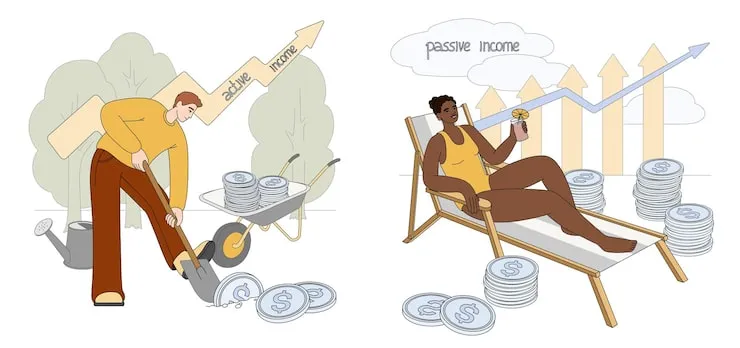
Have you ever noticed that the more money you make, the faster it seems to disappear? It feels like a magic trick! One day you get a raise, and the next day you are wondering where all that extra cash went. This is what experts call "lifestyle creep" or lifestyle inflation. But why does it happen? Understanding the psychology behind lifestyle inflation is like finding a secret map to your own brain.
I have spent a long time looking at how people spend money. I have seen folks get huge promotions only to end up with more debt than they had before. It sounds crazy, right? But our brains are actually wired to want "more" and "better" as soon as we can afford it. It is not just about being "bad with money." It is about how our minds handle success.
What is Lifestyle Inflation and Why Does it Sneak Up on Us?
Lifestyle inflation happens when you spend more money just because you are making more money. Instead of saving that extra cash from a new job or a bonus, you start buying fancier things. That daily coffee habit turns into a gourmet latte. Your old car starts to look "too old," and suddenly you are looking at a new car lease.
The reason it is so sneaky is that it happens in tiny steps. You don't usually wake up and decide to go broke. Instead, you make small choices that feel like rewards. These spending habits grow over time until your "new normal" is much more expensive than your old one.
The Psychology Behind Lifestyle Inflation: Why We Want More
Our brains have a special feature called hedonic adaptation. This is a big word that means we get used to good things very quickly. Imagine you get a brand-new video game. The first day, it is the most exciting thing in the world! But after a month, it is just another game on the shelf.
The same thing happens with your lifestyle. That bigger apartment feels amazing for a few weeks. Then, it just feels like home. To get that "happy feeling" back, your brain starts looking for the next upgrade. This is a huge part of the psychology behind lifestyle inflation. We are always chasing the next peak of happiness.
Also read :- ProofHub Review: Is It the Best Task Management Software of 2025?
The Social Trap: Keeping Up With the Joneses
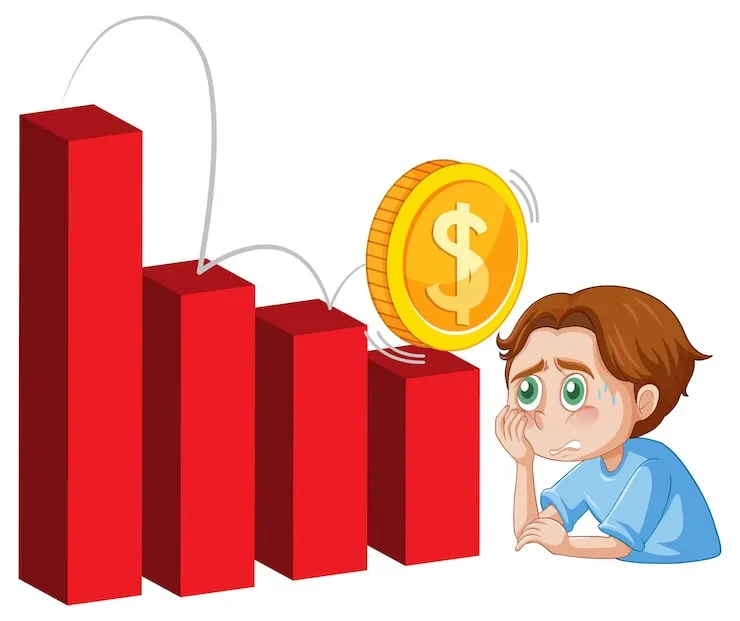
One of the biggest reasons we spend more is because of the people around us. We are social creatures. We want to fit in! If all your friends start going to fancy restaurants, you might feel left behind if you stay home and eat peanut butter sandwiches.
Why Peer Pressure Affects Your Wallet
This is often called social signaling. We use the things we buy to show others that we are successful. When you see a coworker with the latest smartphone, a part of your brain thinks, "I should have that too so I look successful." This compulsive spending is a trap that keeps many people living paycheck to paycheck, even when they earn a lot of money.
Expert Quote: "Wealth is what you don't see. It’s the cars not purchased. The diamonds not bought. The watches not worn." — Morgan Housel, Author of The Psychology of Money.
The "I Deserve This" Mindset
When you work really hard, you want to feel like it was worth it. This leads to the reward-based spending trap. You tell yourself, "I worked 50 hours this week, I deserve this expensive dinner." While it is okay to treat yourself sometimes, doing it every time you work hard makes your standard of living too high.
Turning Luxuries into Necessities
The most dangerous part of the psychology behind lifestyle inflation is when we stop seeing things as treats and start seeing them as needs.
-
Internet: Once a luxury, now a need.
-
Streaming Services: You start with one, then suddenly you "need" five.
-
Convenience: You start ordering food delivery because you are tired, and soon you forget how to cook!
Once a luxury becomes a "need," it is very hard to go back. This creates a financial burden that is hard to shake off.
How to Spot Lifestyle Inflation Before it Hurts
If you want to stay in control, you have to be a detective for your own money. Look for these financial red flags:
-
Lower Savings Rate: You make more money, but your savings account isn't growing.
-
Credit Card Debt: You are using "plastic" to pay for your new, fun lifestyle.
-
Stress: You feel worried about money even though you have a "good" job.
-
Comparison: You find yourself checking what your neighbors are buying.
If you see these signs, it is time to slow down and look at your cash flow.
Smart Ways to Stop the Spending Spiral
You don't have to be a victim of your own brain! There are simple ways to fight back against lifestyle creep.
1. The "Save First" Rule
When you get a raise, don't wait until the end of the month to see what is left. Move that extra money into a savings account or emergency fund the same day you get paid. This is called "paying yourself first." If you never see the money in your checking account, you won't be tempted to spend it!
2. Practice Mindful Spending
Before you buy something new, ask yourself: "Will this make me happy a month from now?" Most of the time, the answer is no. Try waiting 48 hours before buying anything that isn't a "need." This helps calm down the impulsive part of your brain.
3. Keep Your "Old" Life for a While
When I got my first big promotion, I decided to keep living like a student for one more year. I drove my old car and lived in my small apartment. That one year allowed me to build a financial cushion that made my life much easier later on. You don't have to upgrade everything at once!
The Benefits of Avoiding Lifestyle Inflation
Why should you care? Because financial freedom is better than any new toy or fancy car. When you keep your expenses low, you have more choices.
-
You can quit a job you don't like.
-
You can travel to amazing places.
-
You can help other people.
-
You can sleep better at night knowing you have money in the bank.
By mastering the psychology behind lifestyle inflation, you are actually buying your own freedom. That is the best purchase you will ever make!
Frequently Asked Questions
Is all lifestyle inflation bad?
Not at all! It is okay to improve your life. Moving from a broken-down car to a reliable vehicle is a smart move. The goal is to make sure your spending doesn't grow faster than your income.
How do I talk to my friends about spending less?
Honesty is the best policy. You can say, "I'm really focused on my savings goals right now, so let's do a potluck at home instead of going to that expensive restaurant." Real friends will understand!
Does lifestyle inflation only happen to rich people?
No, it happens to everyone! Even if you get a $1 increase in your allowance or hourly pay, the urge to spend it is the same. The psychology behind lifestyle inflation affects us all, regardless of how much we make.
Can I ever treat myself?
Of course! The trick is to budget for fun. Set aside a specific amount of "guilt-free" money each month. Once that money is gone, the treats stop until next month.
Final Thoughts: Be the Boss of Your Brain
Understanding the psychology behind lifestyle inflation gives you a "superpower." You can see the traps before you step in them. Remember, your value as a person isn't tied to the brand of your clothes or the size of your TV.
In my experience, the happiest people aren't the ones with the most stuff. They are the ones who have control over their time. By keeping your lifestyle simple, you give yourself the gift of a stress-free life. Stay energetic about your goals, stay smart with your choices, and don't let the "spending monster" win!
Would you like me to create a simple budget tracker template to help you see where your money is going?

.webp)