Motivation
Understanding Human Behavior: Types of Motivation in Psychology
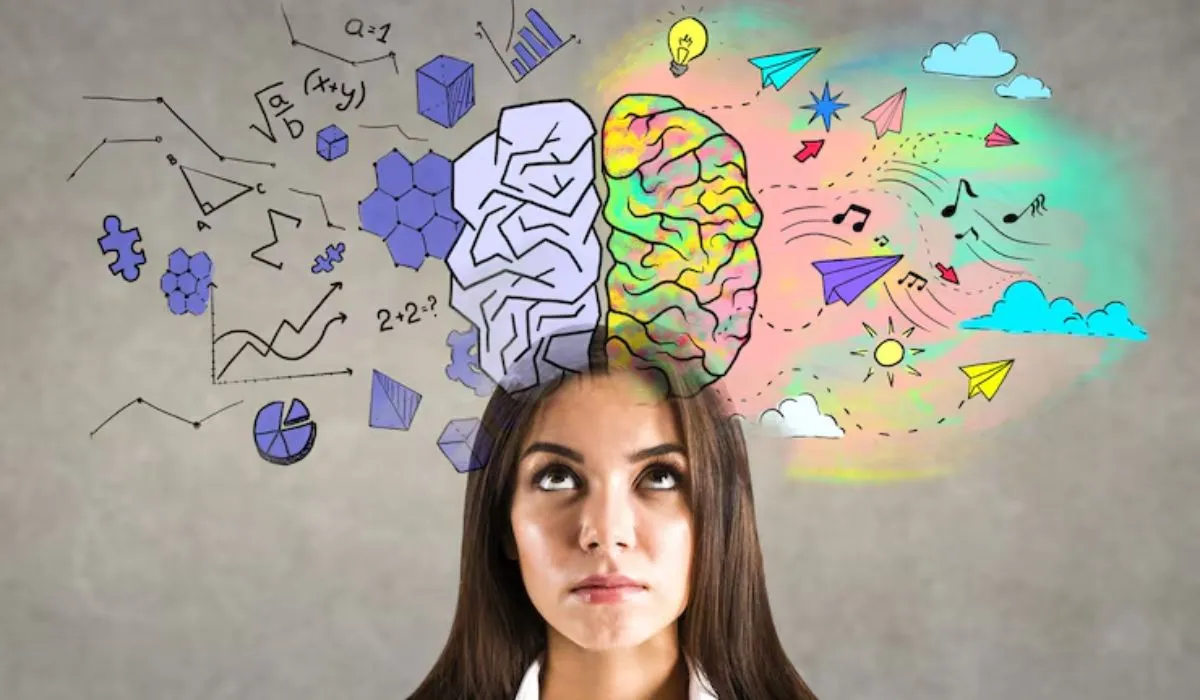
Have you ever asked yourself why you are so excited to play a video game but have to be encouraged to clean your room? Or why you can spend hours working on a hobby and can hardly get yourself to homework? The solution to this is the various types of motivation in psychology. Knowing these drives is like consisting of a roadmap to your actions. This guide will discuss the most important psychological theories of motivation that give us understanding of why we do what we do, whether we play sports or take up careers.
What Is Motivation in Psychology?
Let’s start with the basics. Motivation in the context of psychology is described as something that provides us with sense in the actions that we take. It is the reason behind any act. Imagine that it is the engine in you. On other occasions, one may engage in the activity because they love doing it in which case it is referred to intrinsic motivation. In other occasions, it runs due to the reason that you desire a reward, or the reason that you do not want trouble, this is extrinsic motivation.
Psychologists research these drivers of human behavior in order to assist people at schools, at workplaces and in their personal life. When we understand what drives us, we will be able to develop more effective habits, accomplish objectives, and be happier.
You may also read :- Types of Motivation: A Complete Guide to Boost Your Success
The Two Main Types of Motivation in Psychology: Intrinsic and Extrinsic
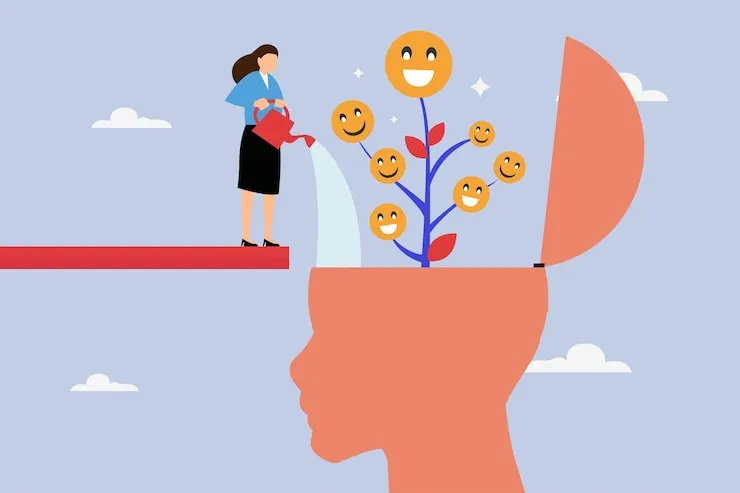
Intrinsic and extrinsic are the two largest categories of motivation upon which most conversations regarding the types of motivation in psychology start. It is on their basis that we understand our drives.
What is Intrinsic Motivation?
Intrinsic motivation is the motivation that is internal to you. When you do something, you do it because it is fun, interesting or satisfying in itself. The activity is the reward.
- You read something because you get carried away in the narrative.
- You play basketball as you like the game and the sensation of running.
- You do pictures because you enjoy being creative.
According to psychologists such as Dr. Richard Ryan, intrinsic motivation is connected to the natural tendencies to learn and to be curious. It is an effective motivator of creativity and long term learning.
What is Extrinsic Motivation?
The extrinsic motivation is external to self. You do it because you will obtain something or because you are going to receive a punishment.
- You wash your room in order to earn your weekly allowance.
- You revise a test to achieve a good grade.
- You do what you are not supposed to do to get into trouble.
Such extrinsic drive can be found all over, in the form of gold stars in a classroom, or pay at a workplace. It can be handy in accomplishment of tasks that we may not want to accomplish by our own.
And here a crude table to see the difference opposite each other:
| Aspect | Intrinsic Motivation | Extrinsic Motivation |
|---|---|---|
| Source | Inside you (internal) | Outside you (external) |
| Reason for Action | Enjoyment, curiosity, challenge | To get a reward or avoid punishment |
| Feeling | Enjoyment, freedom | More pressure or tension |
| Example | Playing an instrument for fun. | Practicing an instrument to win a trophy. |
Going Deeper: Other Important Types of Motivation
Intrinsic and extrinsic are not the only ones the story finishes with. Theorists such as Edward Deci and Richard Ryan have come up with Self-Determination Theory (SDT), which relates to an entire continuum of motivation. Through this theory we are able to know more in detail the psychological aspect of the motivation.
Identified Motivation: When a Goal Matches Your Values
It is a more developed extrinsic motivation. In this case, you will do something not because you love it, but because you think it is significant to your personal objectives.
An example: You may not like playing the piano every day (low intrinsic motivation) because you consider it important to be a good musician. You have set yourself with the aim.
Introjected Motivation: The Pressure from Within
It is an internal type but it is actually driven by external pressure you have taken in. It is characterized by guilt, shame or necessarily proving oneself.
An example is that you practice not because you love running or it is good, but because you feel guilty of yourself when you do not. The motivation is founded on internal influence and lacks ownership.
Amotivation: When Motivation is Missing
There are times that individuals feel amotivated, that is, they do not feel any impulse to participate in an activity. This may result in the low effort and avoidance. To restore the motivation in people it is important to understand the reasons why they feel de-motivated.
Famous Theories That Explain Our Motivational Drives

There are a number of large theories developed by psychologists to trace the map of human motivation. The theories provide us with constructs of how various forms of motivation can be understood within the field of psychology.
Maslow’s Hierarchy of Needs
Needs according to Abraham Maslow push us, in a pyramid fashion. You must gratify the lower levels to be inspired by the higher ones.
- Physiological: Diligent needs such as food and water.
- Security: Security and stability needs.
- Love/Belonging: Friendship and family needs.
- Esteem: Respect and achievement needs.
- Self-Actualization: The need to be the best you are.
Maslow thought, that, when a person intends to be less than he can be deliberately; then I warn you that you will not be happy in the rest of your life.
Self-Determination Theory (SDT): The Need for Autonomy, Competence, and Relatedness
According to this modern and powerful theory, in order to feel actively motivated (mostly intrinsically), the people have to experience the following three fundamental psychological needs fulfilled:
- Autonomy: This is the desire to feel to be in control of what happened and what was chosen.
- Competence: A person needs to feel competent and effective in whatever he or she does.
- Relatedness: The necessity to feel connected to and cared by other people.
People flourish when these needs are upheld by a teacher, a parent or a boss. Dr. According to Ryan, this theory began by examining human nature and human propensity to learn and to be curious.
The Goal-Gradient Effect
This is a very basic yet strong concept, as the closer a goal is the more we feel like completing it. Imagine a runner who runs faster when he or she sees the finishing line. That is why progress bars in video games or apps are so useful they offer us a sense that we are getting closer!
How to Use This Knowledge: Applying Motivation Types in Real Life
It is only useful to know what is meant by the motivations in psychology as long as we can apply it. Here is the way you could implement these concepts.
For Yourself:
- To establish a habit: Association with your major personal values (Identified Motivation). Question, Why does it matter to me?
- To turn a dull task into an entertaining one: Use a means to bring some inherent fun. Tune in as music plays on as you clean or study makes a game.
- To achieve a large objective: Divide it into small sections and rejoice. Create an advantage with the effect of goal-gradient.
On behalf of others (Parents, Teachers, Coaches):
- Encourage independence: Provide options. Ask, not tell, "What do you want to be addressed first?
- Develop competence: Assign difficult tasks that are not difficult. Will positive feedback that is helpful.
- Build relatedness: Support and connect. Individuals make more efforts in groups and communities they love.
Keep in mind that a combination of motivations is more likely to produce the strongest and greatest influence. A student may enjoy knowing about the past (intrinsic), appreciate the fact that he or she is studying (identified), and even desire to get good grades (extrinsic). These psychological motives of action can all be combined.
Conclusion
Learning the various types of motivation in psychology is like having a superpower the power to know both how to work and how to assist others in theirs. It be it the differing of pure delight in intrinsic motivation or the focused motivation of identified regulation, one type has its place. With the help of autonomy, competence and relatedness, we are empowered to provide environments to ourselves and others in which positive motivation thrives.
Frequently Asked Questions
Which form of motivation is the best?
There’s no single “best” type. Intrinsic motivation provides more in-depth involvement and creativity. Nonetheless, extrinsic motivation is terrific in initiating work and beating the time limits. A combination will normally be most productive of long-term success.
Does this mean that extrinsic rewards will destroy intrinsic motivation?
Sometimes, yes. Studies indicate that in case you begin rewarding something that an individual already enjoys doing (such as rewarding a child to read simply because they want to have fun), then that person may soon do the same just because of the reward. The trick is in having rewards and emphasizing the support of autonomy and competence.
How can I do it in case I am not motivated (amotivation)?
First, be kind to yourself. Determine whether your fundamental needs like sleep, food, level of stress are being met. And then, attempt to relate the task to some personal value (identified motivation). Take a small, simple step - five minutes. Frequently, the initiation generates its impetus.
What do I do to get motivated following a failure or setback?
Pay attention to the psychological need of competence. Look on failure as an opportunity to make a lesson, not as an indicator that you are incapable. Reflect on your learning and revise your plan and apply the goal-gradient effect by appreciating any progress you have already achieved.



.webp)