Podcasts
How to Start a Podcast in India: Step-by-Step Beginner’s Guide
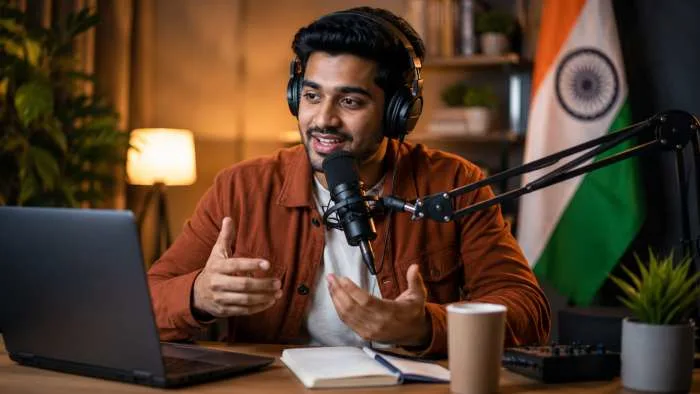
To start a podcast in India, start with a quiet room, a good USB microphone, and free recording software. Pick a topic you love, record your first episode, and upload it to a free hosting platform. You can begin without spending money, and the Indian audience is large and growing.
Do you want to share your voice with the world? Learning how to start podcast in india is a journey that many people are taking today. India is one of the largest markets for audio shows in the world . This guide will provide a clear roadmap to begin your own show. You will learn the simple and practical steps to launch your first episode .
Why Should You Start a Podcast in India Right Now?
The podcast market in India is booming. The country is now the third-largest market globally for podcast consumption . Industry projections indicate a massive audience, with over 100 million monthly listeners . This represents a tremendous opportunity for new creators. By learning how to start podcast in india now, you position yourself to reach this rapidly growing audience.
The Indian audience is eager for content, especially in regional languages. While many English shows exist, there is a significant demand for content in Hindi, Tamil, and other local languages . This is your chance to fill that gap. If you are wondering how to start podcast in india for beginners, focusing on a language you are fluent in is a great first step.
You may also read :- Discover Motivation Podcasts That Keep You Inspired Every Day
Find Your Unique Voice: The Niche
Every successful show begins with a great idea. Your niche is simply the topic you will talk about. This is the most important step when you figure out how to start podcast in india.
First, you must pick a subject that fascinates you. You need to be able to talk about this topic for many episodes without getting bored . Popular podcast categories in India include true crime, personal finance, Bollywood, mental health, and spirituality . However, you should narrow down your focus. If you choose "fitness," consider making it specific, like "fitness for Indian moms" or "fitness for seniors." A specific niche helps you build a loyal audience faster .
Essential Equipment: A Simple Setup
A common myth is that you need a professional studio. The truth is you do not need expensive gear to start. A basic setup is enough to create a show that listeners will enjoy .
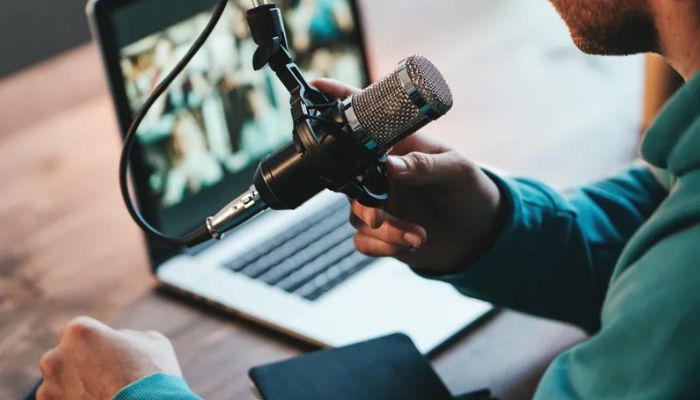
For a beginner, a budget of around ₹3,000 to ₹7,000 is sufficient . You should consider getting a USB microphone like the Maono AU-A04 Kit or Fifine K669B . These microphones plug directly into your laptop and offer clear sound quality . You also need a pair of headphones. Good headphones, like the Sony MDR-XB450 or OneOdio Pro-10, help you hear exactly what you are recording . This prevents mistakes during recording.
It is also helpful to have a pop filter to stop harsh popping sounds from plosive letters like "P" and "B" . If you are looking at the best podcast setup for beginners, look for a kit that includes a microphone, stand, and pop filter together . This makes the process of gathering equipment very simple.
Recording and Editing Software
Your recording space is your studio. You should find a quiet room without background noise like traffic or fans. You can hang blankets on the walls to reduce echo and improve sound quality . As an expert in audio production might suggest, the acoustic environment is often more important than the microphone itself.
When recording, stay about 4 to 6 inches away from the microphone. Too close and it sounds muffled; too far and you sound distant . Here are the software options for recording your show.
- Audacity: This is a free and powerful tool for recording and editing. It is a great starting point for any beginner .
- GarageBand: If you have an Apple device, this software is free and very easy to use .
- Spotify for Podcasters: This is a free app for mobile devices. You can record and edit from your phone without any technical trouble .
Your first episode does not need to be perfect. The goal is to hit record and get started.
Hosting and Distribution: Getting Your Show Out There
Once your episode is ready, you cannot simply upload an audio file to Spotify. You need a podcast host. The host stores your audio files and creates an RSS feed . This feed is what sends your show to all the listening apps .
For those learning how to start podcast in india, there are excellent free options. Spotify for Podcasters (formerly Anchor) is 100% free and is the most popular choice in India . It distributes your show to major platforms automatically. Hubhopper is an Indian platform that is easy to use and handles distribution to local apps like JioSaavn and Gaana . Your show will then be available on Apple Podcasts, Amazon Music, and Google Podcasts .
Planning Your First Episode
Great shows do not just happen; they are planned. You should create a simple outline or script for your episode. Make sure you start with a strong hook to grab the audience's attention . Then, write down key points or questions to guide the conversation. A simple bullet-point list keeps you on track while allowing for natural, authentic discussion.
Plan a clear introduction and a conclusion. At the end of your episode, invite listeners to take an action, such as subscribing to your show or leaving a review . This simple call to action helps you grow your audience.
Promoting Your Show and Growing an Audience
Getting listeners takes work. You cannot just upload a show and expect people to find it. You need a strategy to promote your work . Here are some effective ways to promote your podcast.
- Short Video Clips: Create 30-second clips from your episodes. Share these on Instagram Reels or YouTube Shorts .
- Quote Graphics: Make an image with a powerful quote from your show. Share it on LinkedIn, Twitter (X), or Instagram .
- Summaries: Write a brief summary or key takeaways from the episode. Share this as a post on your blog or social media .
This technique, often called repurposing, turns one episode into multiple pieces of content. Consistency matters more than creating a viral hit. Publishing on a regular schedule helps you build a reliable audience .
A Word on Regulations
There has been recent discussion about regulations for digital content creators in India. The Broadcasting Services (Regulation) Bill, 2024 has been a topic of conversation . This proposed bill aimed to bring "digital news broadcasters" under a regulatory framework .
However, this bill has been withdrawn following criticism from various stakeholders . For a new creator starting a non-news podcast, the regulatory landscape is currently open. You can start your show freely as long as you follow Indian laws and the platform's rules. You do not need a license or special permission to begin.
Monetisation: Earning from Your Podcast
Making money from your show is a goal for many creators. India is an entertainment market where the subscription model often takes time to scale. This is because the market is price-sensitive, and a vast amount of free content is available . Therefore, the primary way to earn is through advertising and sponsorships .
- Sponsorships: Once you have a decent audience, you can partner with brands. Host fees for established creators range from ₹30,000 to ₹2 lakh per episode .
- Listener Support: You can use platforms like Patreon or Buy Me a Coffee to get direct support from listeners.
- Branded Content: Brands are becoming more interested in integrating their products directly into narratives .
Video Podcasts (Vodcasts)
One of the biggest trends in India is the rise of video podcasts. Many listeners now prefer to watch rather than just listen. India is a video-heavy country, and YouTube is deeply integrated into daily consumption . Over 50% of Indian listeners consume shows on YouTube . Because of this, many creators now use a film crew to capture their recording sessions. This trend makes it a great idea to consider video for your show from the very start.
Launching Your Podcast Successfully
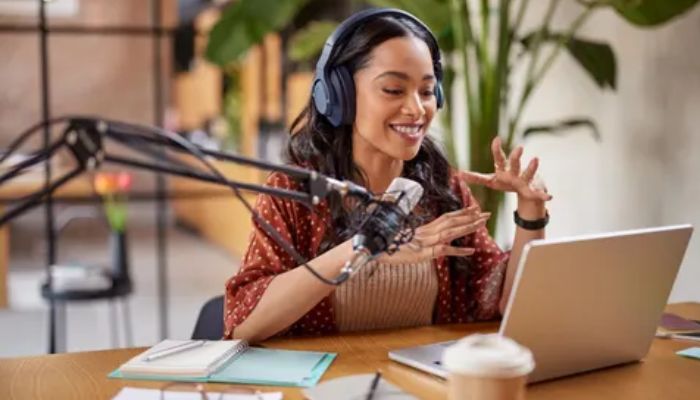
To successfully launch, you must follow a simple process.
- Choose a Niche: Pick a topic you are passionate about.
- Get Equipment: Buy a budget USB microphone and headphones.
- Plan and Record: Outline your episode and record it in a quiet room.
- Edit: Cut out mistakes and add music using Audacity.
- Upload to a Host: Use Spotify for Podcasters or Hubhopper.
- Promote: Share video clips on social media.
Patience is critical. A successful show takes time to build. Many creators see significant results after 6 to 12 months of consistent work. You must be consistent, improve your skills, and deliver value to your listeners.
Frequently Asked Questions
Do I need a license to start a podcast in India?
Nope. You don't need any legal paperwork or official license to launch. Just hit record and upload. Obviously, you still have to follow basic Indian internet laws and keep your content within your hosting platform's rules, but that's it.
How much does it cost to start a podcast in India?
Roughly ₹3,000 to ₹7,000 is all it takes to get rolling. That budget basically goes toward a reliable USB mic and some decent headphones. Don't worry about paying for recording or hosting tools starting out—there are tons of free options available.
What is the best free podcast hosting platform in India?
Spotify for Podcasters is the biggest free player around. Another great local shout is Hubhopper. It's an Indian platform that does a massive job of distributing your episodes directly to regional apps like JioSaavn.
Should I start an audio podcast or a video podcast?
Definitely go the video route if you can swing it. The Indian market leans heavily into video—around 93% of weekly listeners prefer watching their shows. Filming your episodes lets you leverage YouTube, which is a massive shortcut for getting discovered.
How many listeners do I need to make money?
Hit around 5,000 monthly listeners and you'll start landing on the radar of Indian brands for sponsorships. But you don't actually need a massive crowd to make cash. You can set up direct listener support or community donations right from your very first episode.

.webp)