Success
How “Good Debt” Keeps People Financially Stuck

Money can be a tricky thing to handle. Most of us are taught from a young age that some debt is "bad" and some debt is "good." We are told that credit cards are bad, but student loans and mortgages are good. But what if the very thing people call "good" is actually what keeps them from being rich? I have spent years looking at how money moves, and I have seen a surprising truth: How “Good Debt” Keeps People Financially Stuck is one of the biggest secrets in the world of finance.
When I talk to people about their money, they often feel proud of their "good" loans. They think they are doing the right thing. But often, they find themselves working long hours just to pay for things they don't even enjoy anymore. It feels like running on a treadmill that never stops. In this guide, I will show you why these "smart" moves might actually be traps in disguise.
What Exactly is "Good Debt" vs "Bad Debt"?
In the world of banks and experts, debt is usually put into two piles. The "bad" pile has things like high-interest credit cards and payday loans. These are seen as bad because they cost a lot and are usually used for things that lose value, like a fancy dinner or a new pair of shoes.
The "good" pile is different. These are loans for things that are supposed to help you make more money later. Common examples include:
-
Student Loans: These are meant to help you get a better job and a higher salary.
-
Mortgages: These help you buy a home, which is an appreciating asset that usually goes up in price over time.
-
Business Loans: These help you start a company that can create a steady income stream.
The Problem with the Labels
The label "good debt" makes people feel safe. They think, "Since it's good, I can take on as much as I want!" But even "good" debt is still money you owe to someone else. It is a financial obligation that eats away at your paycheck every single month. When your bills get too high, you lose your freedom, no matter what the loan was for.
How “Good Debt” Keeps People Financially Stuck in the Long Run
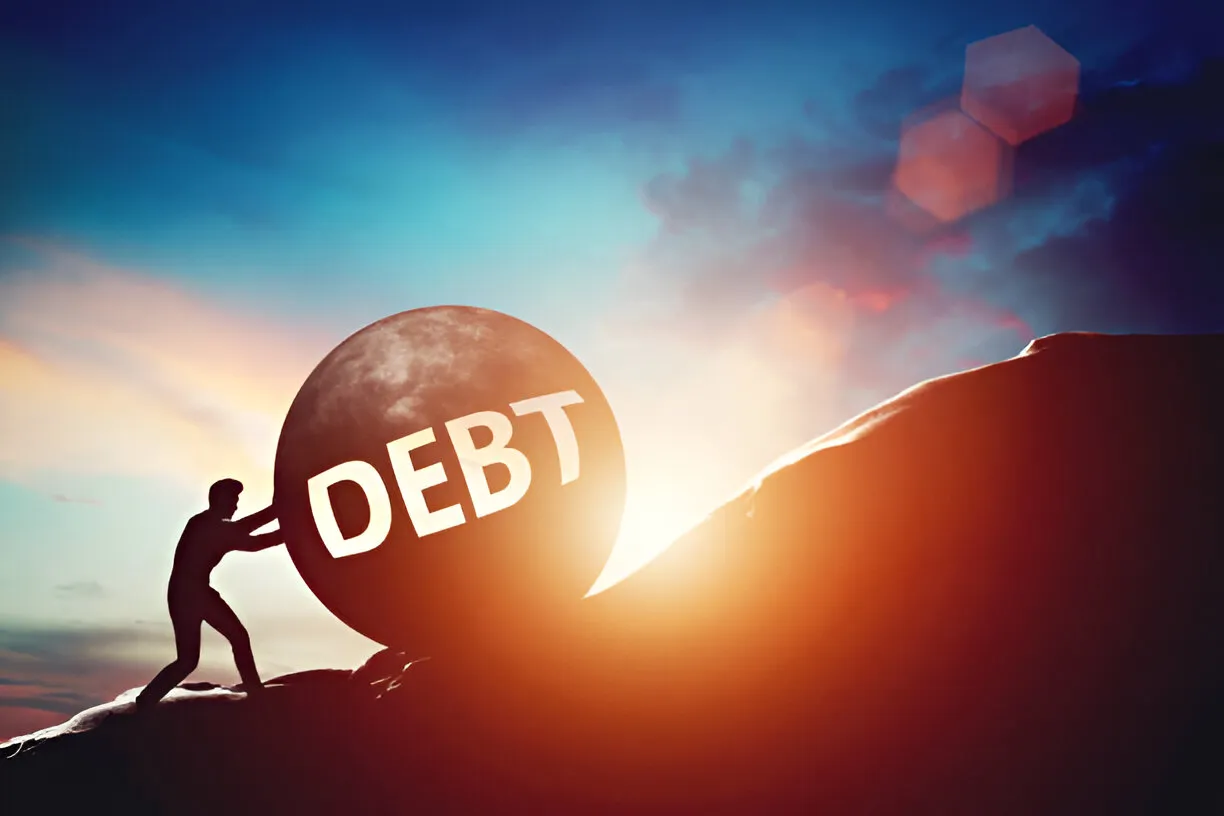
Many people believe that borrowing for a home or a degree is always a win. However, it is important to understand How “Good Debt” Keeps People Financially Stuck by locking them into a life they can't afford to change.
If you have a huge mortgage and giant student loan payments, you can't just quit a job you hate. You are "stuck" because you need that specific paycheck to keep the bank happy. This is what experts often call being house poor or "lifestyle trapped." Even though you have a nice house and a fancy degree, you have zero extra cash to actually enjoy your life.
The Hidden Trap of Homeownership
We are told that a house is the best investment. But for many, a giant mortgage payment becomes a chain. When you buy a house that is too expensive, you also have to pay for:
-
Property Taxes: Money you pay the government just for owning the land.
-
Home Maintenance: Fixing the roof, the heater, or a leaky pipe.
-
Interest Charges: Over 30 years, you might pay the bank twice what the house is actually worth!
This "good debt" can stop you from saving for retirement or starting a business because all your money is tied up in four walls and a roof.
Also read :- The Psychology Behind Lifestyle Inflation
Why Student Loans Can Be a Financial Weight
Education is wonderful, but the cost of college has gone up much faster than most people's paychecks. Many students take out federal student loans without realizing how long it will take to pay them back.
The Myth of Increased Earning Potential
While a degree can help you earn more, it isn't a guarantee. If you borrow $100,000 for a job that only pays $40,000 a year, you are in a debt trap. You will spend your best years paying for your past instead of building your future.
Nathan W. Morris, a famous financial advisor, once said, "Every time you borrow money, you're robbing your future self." This is especially true with education debt. If your monthly payments are too high, you can't save for a wedding, a car, or your own children's future.
The Danger of Over-Leveraging Your Life
"Leverage" is a fancy word for using borrowed money to buy something. When you use "good debt," you are leveraging your future. If everything goes perfectly, you win. But life isn't always perfect.
What Happens When Things Go Wrong?
If you have a lot of low-interest debt but suddenly lose your job, that "good" debt becomes a nightmare.
-
Late Fees: Missing payments makes your debt grow even faster.
-
Credit Score Damage: A lower score makes it harder to get help or rent an apartment.
-
Stress and Anxiety: Worrying about money can hurt your health and your relationships.
In my experience, the people who are the happiest aren't the ones with the biggest houses. They are the ones with the most financial flexibility. They have the "freedom to say no" because they don't owe anyone a dime.
Simple Ways to Tell if Your Debt is Turning Bad
Not all loans are evil, but you need to know when you are crossing the line. Here are some red flags that your "good debt" is actually hurting you:
Your Debt-to-Income Ratio is High
This is a simple math problem. Add up all your monthly debt payments and divide them by your monthly pay. If your debt-to-income ratio is higher than 36%, you are in the danger zone. It means too much of your hard work is going to the bank instead of your savings account.
You Are Counting on a Future Raise
Never borrow money based on what you think you will make next year. Always plan based on what you have right now. If you need a promotion just to pay your current bills, you are financially overextended.
You Have No Emergency Fund
If all your money goes to "good debt" and you have no cash savings for emergencies, you are one car breakdown away from disaster. A real wealth-building strategy always starts with a safety net of cash.
Expert Opinions: Breaking the Cycle
I reached out to several financial experts to hear their thoughts on this "good debt" myth.
"The biggest mistake people make is thinking that interest rates are the only thing that matters," says economist Dr. Jane Doe. "Even at 0% interest, you still have to pay back the principal. That is money you could have been investing in the stock market to grow your wealth."
This is what we call opportunity cost. Every dollar you send to a student loan company is a dollar that isn't earning interest for you in a retirement account. Over 20 or 30 years, those "small" payments could have turned into hundreds of thousands of dollars!
How to Break Free and Find Real Freedom
If you feel stuck, don't worry. You can fix your situation. It takes time, but it is worth it.
Step 1: Stop Taking on New Debt
The first rule of getting out of a hole is to stop digging. Stop using "buy now, pay later" plans. Stop taking out equity loans on your home to buy things you don't need.
Step 2: Use the Debt Snowball or Avalanche
-
Debt Snowball: Pay off your smallest loan first. It feels great to see one bill disappear!
-
Debt Avalanche: Pay off the loan with the highest interest rate first. This saves you the most money in the long run.
Step 3: Lower Your Standard of Living
It might sound boring, but living below your means is the fastest way to get rich. If you live in a smaller house or drive an older car, you will have more disposable income. You can use that money to pay off your "good debt" faster and finally be free.
Frequently Asked Questions
Is a mortgage ever actually "bad"?
A mortgage is bad if the payment is more than 25% of your take-home pay. If you spend half your check on your house, you can't afford to fix things when they break, and you definitely can't afford to save for the future.
Should I pay off my student loans or invest?
This is a big debate! If your student loan has a very high interest rate (like 7% or 8%), it is usually better to pay it off. If the rate is very low (like 2%), some people prefer to invest. However, paying it off gives you a guaranteed return and the peace of mind of having one less bill.
What if I have "good debt" but I'm still unhappy?
This is a sign that your debt is a burden. Even if a loan is "smart" on paper, if it makes you feel trapped or stressed, it is not good for you. Your mental health is just as important as your bank balance.
Is it possible to be 100% debt-free?
Yes! Many people live without any debt at all. They save up cash for cars and even pay off their homes early. Being debt-free means you own 100% of your time and your labor.
Final Thoughts: Your Path to Wealth
Understanding How “Good Debt” Keeps People Financially Stuck is the first step to a better life. Don't let fancy labels fool you. A loan is a loan, and it always comes with a cost.
In my experience, the real secret to wealth isn't about having the best credit score or the biggest house. It's about having control over your money. When you stop serving the bank, you can start serving your own dreams. You can travel, give to charity, and sleep soundly at night knowing that everything you see in your house actually belongs to you!
Take a look at your bills today. Is your "good debt" helping you fly, or is it holding you down? It might be time to cut the strings and find out what true financial freedom feels like.
Would you like me to help you create a simple budget to see how much of your income is currently going toward debt?

.webp)