Success
How to Build Successful Habits Through Small Daily Changes
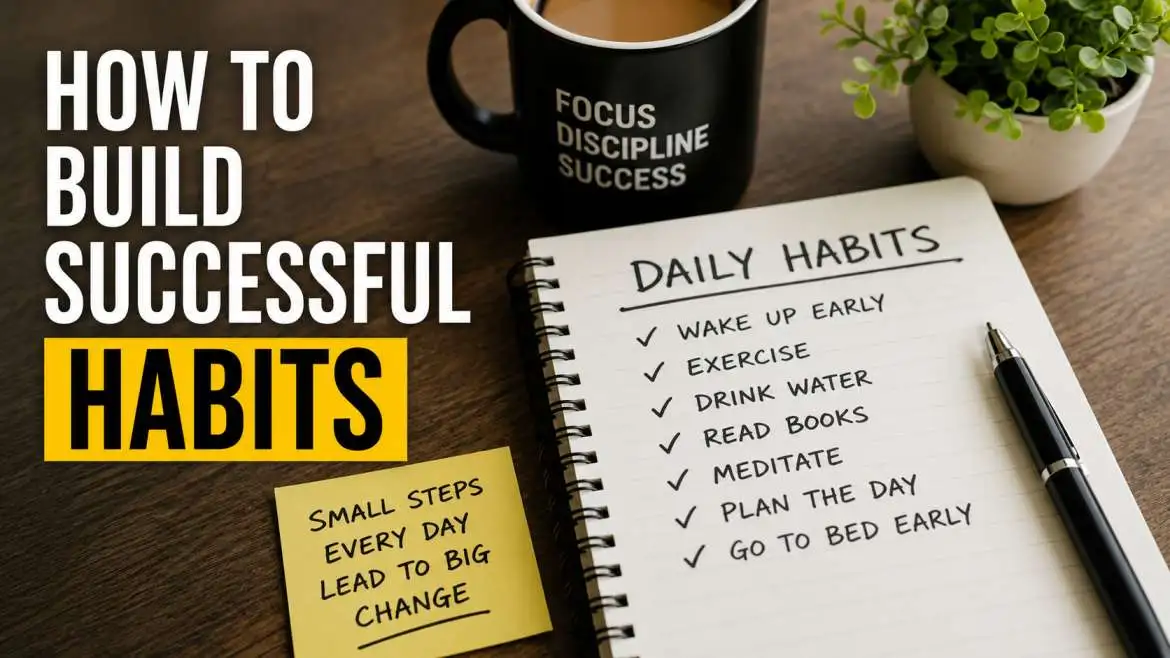
To build successful habits, you need to know how your own brain works. You start by picking a tiny, easy action. You lock this new step to a physical routine you already do every single day. Then you track your daily wins on a paper calendar. This basic, data-driven plan rewires your brain paths over time.
Your mind automates the daily action to save precious energy. Anyone can build lasting routines by breaking huge goals into tiny micro-steps. This method cuts out friction and brings massive personal growth. You must focus on your daily system instead of raw willpower. This creates permanent behavior change that truly lasts.
Why Behavior Design Helps You Grow So Fast?
Many folks try to change their whole lives in one single night. They wake up early on Monday morning and try to overhaul every single routine. This sudden plan fails almost every time. It fails because it relies entirely on your daily willpower battery.
Your willpower drains fast when you face a stressful day at work or school. When your energy drops low, you go right back to your old comfort zones.
Real life change requires a reliable system, not just a random burst of hard work. You need a setup that makes good choices easy and bad choices very hard. When you tweak your bedroom and home for success, good choices become your automatic default settings.
You may also read :- Transform Your Life: Powerful Self Improvement Tips
"We do not rise to the level of our goals. We fall to the level of our systems." — James Clear, Author of Atomic Habits
The Four Parts of a Human Behavior Loop

Every single routine in your daily life follows a simple four-step cycle. Scientists call this specific track the habit loop. It uses a cue, a craving, a response, and a reward to lock a behavior into your mind.
The cue is a physical trigger that tells your brain to look for a reward. Your mind spots a sign in your room, like a phone screen lighting up or the smell of hot food.
The craving is the emotional feeling behind the action. You do not actually want the object itself; you want the feeling of comfort or relief it gives you.
The response is the actual action, movement, or thought that you choose to do. Finally, the reward satisfies your deep feeling and tells your brain that this action is worth doing again.
Step-by-Step Guide: How to Build Successful Habits from Scratch
How to Start Building Habits That Actually Stick ?
You don’t have to turn your life inside out just to get a new routine going. Real progress usually starts small—like, almost annoyingly small—with tiny tweaks to your day that add up over time. Here’s how to sketch out a plan that fits your actual life, not some ideal version of it.
Link New Habits to Stuff You Already Do
If you want a new habit to hold, attach it to something you’re already doing on autopilot. It’s a simple trick: pick a daily constant—maybe it’s your morning coffee ritual or the minute you grab your toothbrush—and use that as your anchor. New habit goes right after, no extra willpower required.
Right after you finish that old thing, do your new action immediately. This gives your new choice a solid anchor in your busy day. It uses your brain's old, strong tracks to make the fresh move feel completely easy.
How to Build Successful Habits by Starting with Tiny Steps?
Most people fail because they aim way too high on day one. If you want to read more books, do not force yourself to finish a whole chapter every single night. Just read one single page.
If you want to get fit, start with just two quick push-ups on your bedroom floor. A tiny goal is so simple that your brain cannot find a lazy excuse to skip out. You need to lock in the daily pattern first. Make it regular before you try to make it big.
Clean Your Room and Environment to Cut Out Daily Friction
Your surroundings guide your daily actions much more than your inner drive. If you want to play a guitar more often, put the guitar right in the middle of your living room.
If you want to stop eating bad snacks, hide the junk food in a high closet or stop buying it at the grocery store. Fix your living space so that good choices take the least amount of physical work.
Smart Ways to Track and Check Your Daily Progress

You cannot fix what you do not track. Watching your daily actions gives you fast proof of your hard work and personal growth.
Keep a Simple Visual Tracker on Your Wall or Table
A visual tracker gives your brain a fast feeling of pure joy. Every time you cross off a square on a big wall calendar, you get a small hit of dopamine. This natural brain chemical makes you want to repeat the action again tomorrow.
The dark marks on the paper show you exactly how far you have come. It keeps your eyes on your daily streak so you do not stop.
Follow the Two-Day Rule to Keep Your Daily Momentum
Life gets busy, and surprises will mess up your perfect plan sometimes. The secret to long-term success is avoiding back-to-back misses.
If you miss your routine on Tuesday, you must show up on Wednesday without fail. Missing one single day is just an accident. Missing two days in a row starts a brand-new bad routine.
| Target Action | Day 1 | Day 2 | Day 3 | Day 4 | Day 5 |
| Read 1 Page | ✓ | ✓ | ✗ | ✓ | ✓ |
| Drink water. | ✓ | ✓ | ✓ | ✓ | ✗ |
| Walk 10 min. | ✗ | ✓ | ✓ | ✓ | ✓ |
How to Fix the Common Mistakes That Make People Quit?
Most people hit the exact same walls when they try to change their actions. Knowing these traps early helps you walk right past them.
Stop Trying to Be Perfect and Focus on Your Identity
Do not worry about doing your routine perfectly every time. Showing up matters much more than doing a perfect job.
If you only have five minutes to exercise, use those five minutes happily. Short sessions prove to your mind that you are changing your identity. You show yourself that you are the type of person who does not skip.
Find a Real Friend to Keep You on the Right Track
Sharing your goals with a real person boosts your chances of success by a lot. When someone checks on you, you feel a good push to get your work done.
Pick a friend, a family member, or a classmate who wants to see you do well. Pick a day each week to look at your calendar lines together.
Frequently Asked Questions
How many days does it take to form a new habit?
Old stories claim you can build a new routine in just 21 days. Real science shows that it actually takes anywhere from 66 days to 254 days. The exact time depends on how hard the action is and your own personality type.
What is the best trigger for a new daily routine?
Time and place are the two best triggers for any action. Writing down exactly when and where you will do something removes your doubt. For example: "I will read one page at 7:00 AM at my kitchen table."
How do I stop a bad habit for good?
You can't just kill a bad habit and leave an empty space. You have to trade it for a better one. Watch yourself closely to find out what triggers the bad loop and what comfort you get from it. Then, slip a good action into that same spot to get the same release.
Should I try to change three or four habits at the same time?
Don't do that. You will just burn out. Focus all your energy on one single change at the start. Trying to fix your whole life at once overloads your brain and forces you to quit everything.
What should I do when I lose my drive and motivation?
Don't wait for a spark or a good mood to move you. Moods change, but a simple daily setup stays the same. Lock your small tasks into your schedule like a doctor's visit that you cannot skip.


.webp)